
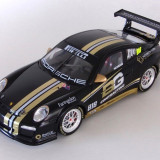
Classic Scale Models Decals
It would be a mistake to think that CGI in films has done away with physical models effects, or that 3D printing has completely replaced Scale model hobbying. Many films use a combination of CGI and model work, while Plastic scale models have a steady following, with built models often appearing alongside 3D printed items. The technologies can happily exist concurrently.
Decals remain the go-to method of adding fine colour details to models. Model decals add much to a project than is almost impossible to achieve with paint. The ability to print our own designs on inkjet decal paper allows us unlimited scope for adding details to any 3D model projects.
Tips For Scale Models
• Choose scale model kits that correspond to your level of skill. Save any harder kits for a future date.
• Check the parts on the sprue to see if there is any possibility of confusion; do some items look similar, are some items mirror reversed – make sure not to confuse parts.
• Occasionally it is easier to paint a small part while it is still attached to the sprue.
• Cut parts off the sprue with a small side cutter or knife. Use a cutting matt to prevent damage to the table.
• File off any sharp edges with a small file or emery boards (the ones used for fingernails).
• Check to see that the various parts fit together before you glue them.
• Use masking tape, pegs or rubber band to hold model parts together until they are dry.
• If there is excess glue on the model it can be removed with a fine file or emery cloth (sandpaper) when dry.
• Before painting, Wash the model with soapy water to remove any grease. Even the grease from your fingers can cause problems with painting.
Plastic Model Decals
Model Decals are almost the last item added to a scale model; the only thing after this is a protective clear coating.
Model trains, car aircraft and Sci-Fi benefit from the colour details added from waterslide decals. Any models with strong physical details on their surface can benefit from thin decal paper which better fits the intricate grooves and surface shape of many models.
Information Disclaimer
The content of this article is meant for informational purposes only and should not be considered a source of professional advice, recommendations, or endorsements. It is not a substitute for seeking expert guidance or making well-informed decisions based on individual circumstances. Although we strive for accuracy and reliability, we cannot guarantee the information's completeness or suitability for all situations. Readers are urged to verify facts, consult experts, and consider their own context before taking actions or decisions based on this content. No warranties, explicit or implied, are provided regarding the accuracy, timeliness, or completeness of the presented information. Relying on this information is at the reader's own discretion and risk. We encourage readers to consult relevant professionals or experts for advice tailored to their specific needs. Neither the author, publisher, nor any affiliated parties will be held responsible for errors, omissions, or damages resulting from the use or reliance on the information in this article.